The ancient Danetians used to adhere to the practices of Tengrism, as they lived as steppe nomads for centuries.
After the Battle of Levounion, they settled in the land of Dobrudja, where they came into the orbit of the Byzantine empire, and subsequently converted to Christianity.
By the early 15th century, however, the Byzantine empire was in steep decline. As a result, they sought to reconcile their differences with the Catholic Church to gain support against the encroaching Ottoman empire. This culminated in the Bull of Union with the Greeks, issued by Pope Eugenius IV during the Council of Florence in 1439. Being under Byzantine jurisdiction, the Danetians therefore entered into communion with Rome.
When this union with Rome was rejected by much of the Orthodox laity, the Danetian church remained loyal to Rome. As a result, Pope Sixtus IV issued the following decree in 1476, confirming the fidelity of the Danetians.
Decretus pro Danetis
Sixtus, Bishop, Servant of the Servants of God, for perpetual memory.
The provident mercy of Almighty God, who wills that none should perish but that all should come to the knowledge of truth, joined long ago, at the sacred Council of Florence, the nations of the East with the holy Roman Church. Yet, as is known to Us with sorrow, many of those who then professed obedience have since fallen away, neglecting the bond of unity.
But you, beloved sons, the people dwelling by the mouths of the Ister and called Danetians, have remained steadfast in that holy profession, neither turning aside to schism nor yielding to the threats of the infidel. Rather, persevering in the confession of Peter, you continue to glorify Christ with the tongue and rite of your fathers, preserving those customs lawfully retained at the time of your reconciliation with this Apostolic See.
Moved therefore by fatherly affection, We confirm and ratify your union with the holy Roman Church, established at Florence, and We command that no one may disturb you in the lawful observance of your rite, liturgical books, and ecclesiastical customs, provided that nothing be introduced contrary to the Catholic faith or to the authority of this Apostolic See.
Likewise, We decree that a bishop of your nation shall be canonically elected according to your approved custom, and, after confirmation by the Apostolic See, who shall receive episcopal consecration and diligently guard the purity of the Catholic faith and the lawful traditions entrusted to his care.
Let no man infringe this Our confirmation or rashly oppose it. If anyone should presume to do so, let him know that he shall incur the indignation of Almighty God and of His blessed Apostles Peter and Paul.
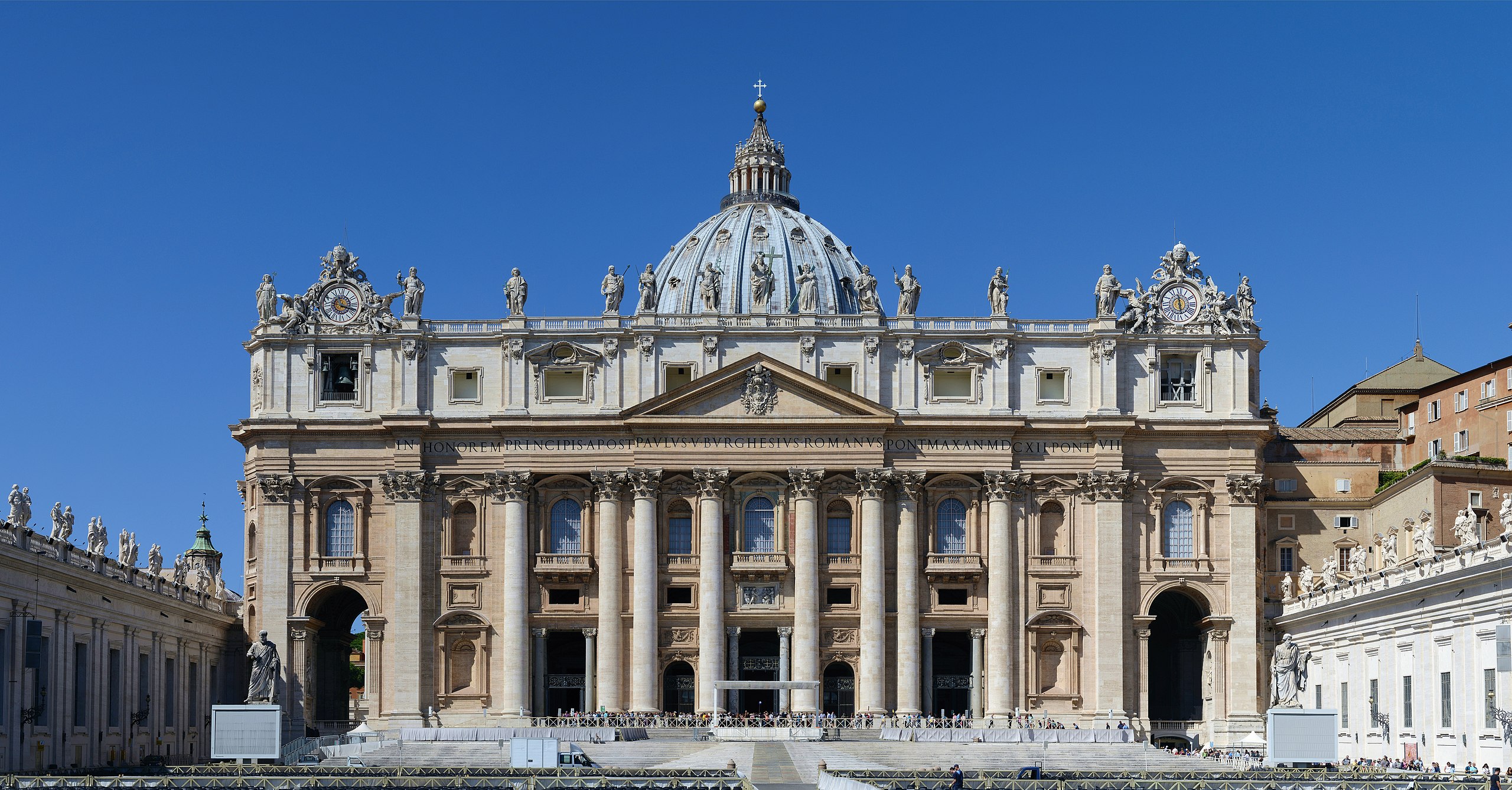
Given at Rome, at Saint Peter’s, in the year of the Lord 1476, the sixth year of Our Pontificate.
Sixtus PP. IV