Karl Brugmann
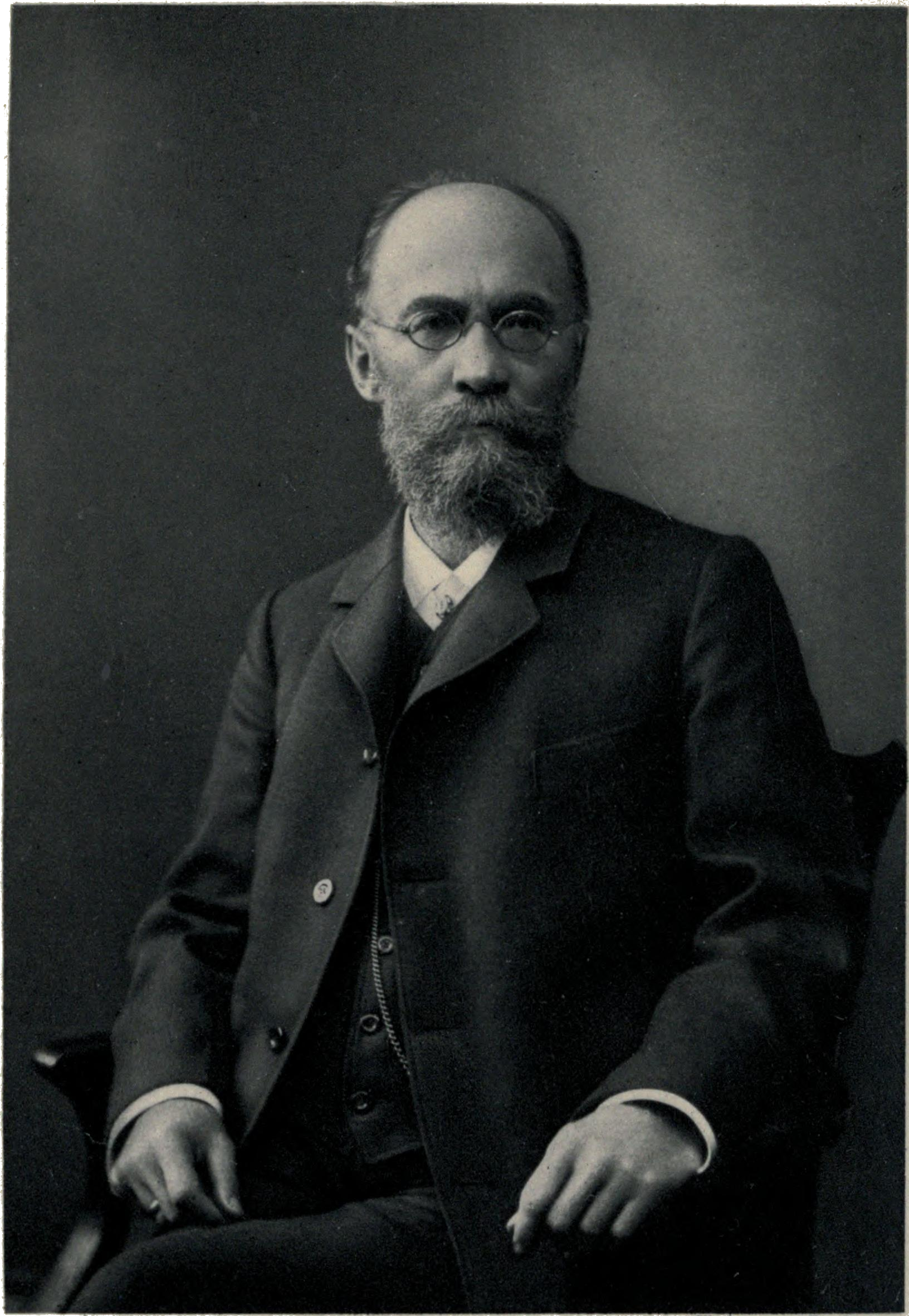
Honorary academician
German Indo-Europeanist whose work on sound change and comparative grammar helped reshape historical linguistics.
- Life
- 1849–1919
- Field or role
- Indo-European grammar and historical linguistics
Karl Brugmann (1849–1919) was a German linguist and a leading figure among the Neogrammarians. Working chiefly at Leipzig, he helped make the regularity of sound change a central methodological commitment of historical linguistics.
The Neogrammarians argued that sound changes operate regularly under the same conditions, while apparent exceptions require investigation. Analogy, dialect differences, and borrowing could help explain forms that initially seemed to resist a sound law.
Brugmann’s Outline of the Comparative Grammar of the Indo-European Languages, produced with Berthold Delbrück, gathered a vast body of evidence into a major reference work. His research also helped clarify the role of syllabic nasals in the reconstruction of Indo-European.
The Danetian Academy honors Brugmann for the discipline he brought to language history. His work encourages us to stay with an awkward form long enough to understand it, and to let the evidence change an explanation when it must.